
How to Measure Blood Pressure at Home for Accurate Readings: Cuff Size, Technique & Essential Tips
Picture this: you're sitting quietly in your living room, the world hushed for a moment, and your home blood pressure monitor beeps softly. That number staring back at you? It could be your first line of defense against hypertension's stealthy advance. For health-conscious adults wrestling with high blood pressure, mastering home blood pressure monitoring isn't just convenient—it's empowering. But here's the catch: inaccurate readings from poor technique or the wrong equipment can mislead you and your doctor. In this guide, we'll unlock the secrets to accurate blood pressure readings, from picking the perfect cuff to nailing the technique.
Why bother? Single office visits often spike your numbers due to nerves—what clinicians call "white coat hypertension." Regular home checks reveal your true patterns, helping you and your doctor fine-tune management. Let's dive in, step by confident step.
Why Upper-Arm Monitors Trump Wrist and Finger Devices
Not all monitors are created equal. Opt for a validated upper-arm model, certified by organizations like the American Heart Association or the British Hypertension Society. These deliver reliable results backed by rigorous testing.
Skip wrist or finger monitors for routine use—they're prone to errors from positioning slips or artery differences. Wrist units demand pinpoint alignment at heart level, a feat tricky in daily life. Finger devices? Even less reliable due to small vessel variability. Stick to upper-arm for precision in your home blood pressure monitoring routine.
Nailing Blood Pressure Cuff Size: Measure Your Arm First
Why Cuff Size Matters for Accurate Readings
A cuff too small falsely inflates readings; too large, and it underestimates. Get it right by measuring your bare upper arm circumference midway between shoulder and elbow. Standard cuffs fit 22-32 cm (9-12 inches); large ones 32-42 cm (12-16 inches). Many monitors include fit indicators—use them.
Pro tip: Fabricate no excuses. A proper blood pressure cuff size is non-negotiable for trustworthy data.
- Small adult: 18-26 cm
- Adult: 22-32 cm
- Large adult: 32-42 cm
- Thigh (extra-large): 42-50 cm
How to Measure Blood Pressure at Home: The Gold-Standard Technique
Step-by-Step for Precision
- Sit and rest: Quiet room, 5 minutes of stillness. Empty your bladder—no distractions.
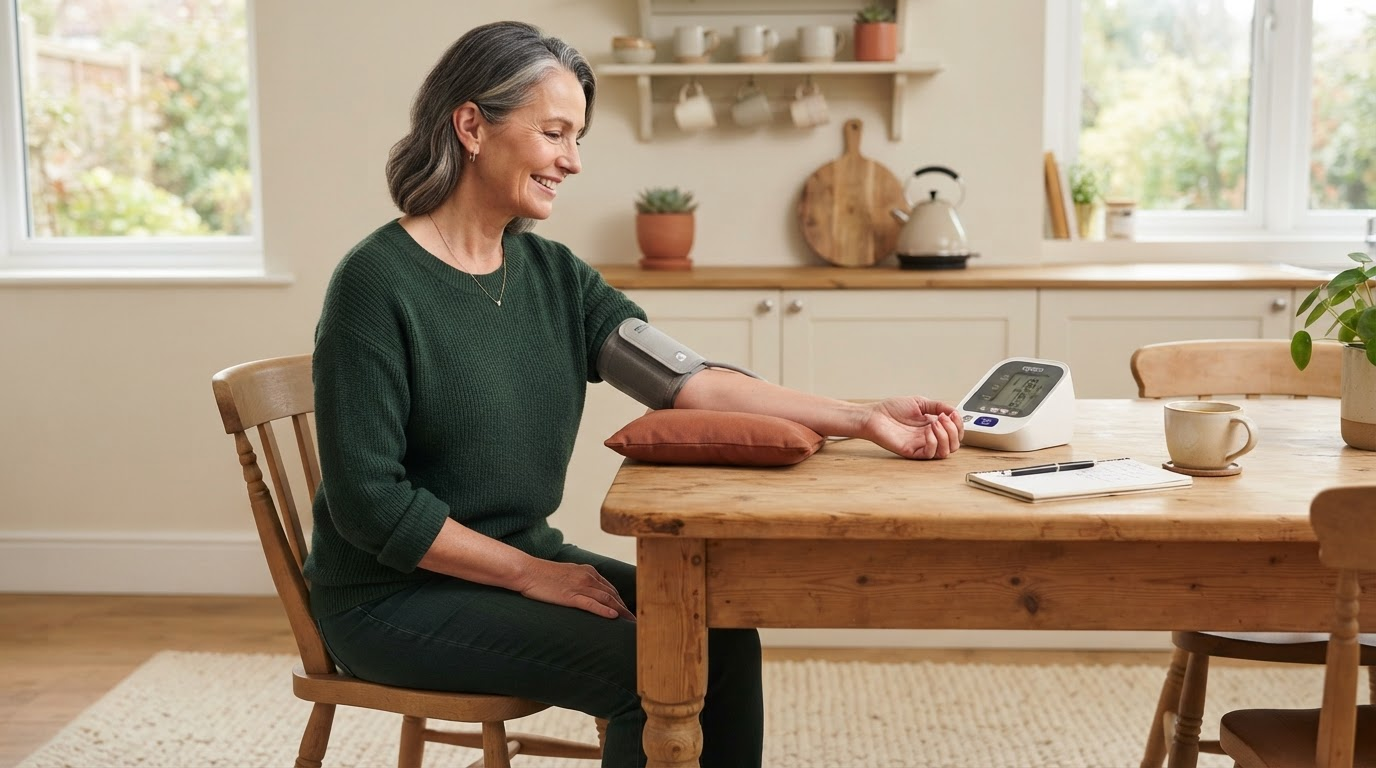
- Posture perfect: Back supported in a chair, feet flat, legs uncrossed. Arm bare, cuff 1 inch above elbow bend.
- Heart level magic: Rest arm on table so brachial artery aligns with your heart. No slouching or dangling.
- Silence is golden: No talking, caffeine, exercise, or smoking 30 minutes prior. Skip meds if instructed, but note timing.
- Measure twice: Take two readings, 1-2 minutes apart. Average them for your true number.
Like tuning a fine instrument, small adjustments in technique yield symphonies of accurate data.
Repeat this ritual morning and evening, same times daily, for consistency in your how to measure blood pressure at home practice.
Logging Readings: Context, Trends, and the Big Picture
Don't just note systolic/diastolic—log context: time, caffeine/exercise/smoking/meds, stress levels, recent meals. A journal turns raw numbers into insights.
Single spikes? Meh. Trends over weeks? Revelatory. Track averages: below 120/80 mmHg ideal; 120-129/<80 elevated; 130+ or 80+ hypertension territory.
- Position (sitting/standing)
- Arm used (alternate if possible)
- Symptoms (headache, dizziness)
- Notes on technique adherence
Urgent Warnings: Know When to Act Fast
180+ systolic or 120+ diastolic? Urgent. With chest pain, shortness of breath, numbness, weakness, vision changes, or speech trouble—call emergency services now. No severe symptoms? Sit quietly, recheck with flawless technique. If still sky-high, contact your clinician pronto.
Home monitoring spots crises early, but it's your ally, not a solo hero.
Heart-Vitals: Your Partner in Heart Health
Heart-Vitals offers educational resources alongside your doctor's care—this guide doesn't diagnose, treat, or replace professional advice. Medication tweaks? Always with your clinician.
Kickstart accurately with our free personalized assessment. Deepen skills in Module 2 of our structured membership course, featuring a private journal for seamless tracking.
Armed with these tools, your home blood pressure monitoring transforms from chore to superpower. Consistency breeds clarity; clarity, control. Measure wisely, live vibrantly—your heart will thank you.
